

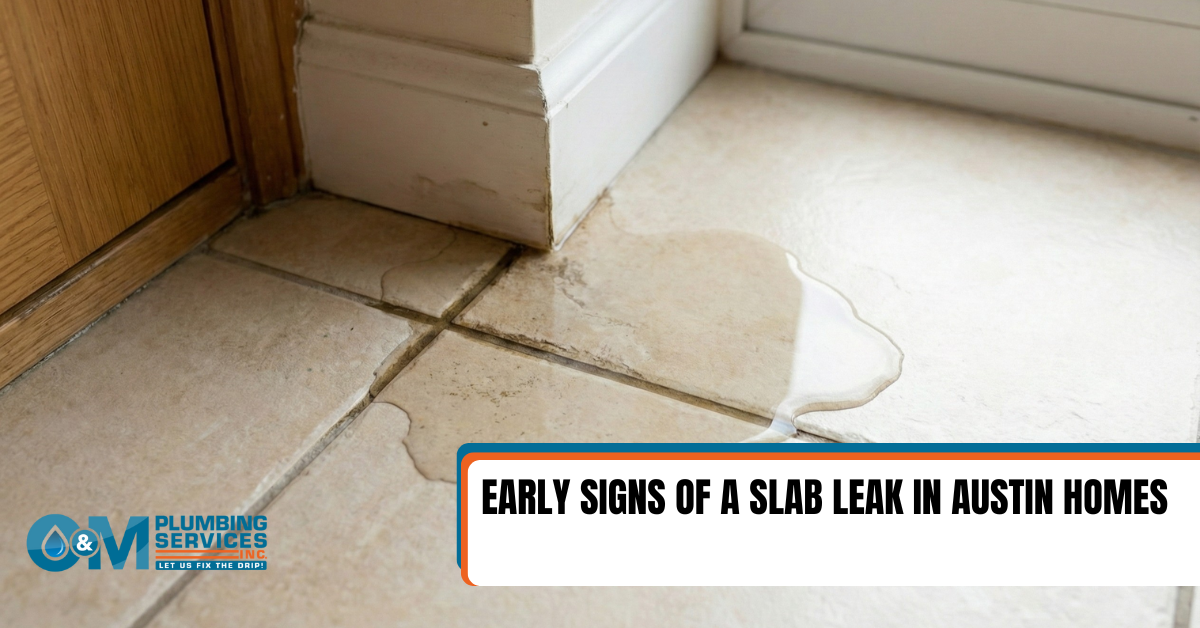
A slab leak may begin with symptoms such as increased water bills, water accumulation on the floor, or warm areas. January is the most opportune time to identify slab leaks because freeze stress and pressure differences reveal vulnerable pipes before extensive foundation damage.
Slab leaks do not make their presence known in an overt manner. Most slab leaks begin under the concrete foundation of a residence or business, quietly causing damage before anyone is even aware that a problem exists. Homeowners may notice an increase in their water bill, or they may detect dampness in the floors or warm areas, but most people attribute these phenomena to temporary conditions.
Slab leak repair in Austin becomes a significant concern during the winter season. January means lower ground temperatures, increased water pressure from the freeze, and optimal conditions for a hidden pipe burst to manifest. Recognizing a water leak under the slab early on can help avoid extensive foundation damage, mold infestation, and expensive repairs. This article will walk you through the signs, the optimal time to inspect for a slab leak, and how to proceed if you suspect a leaky pipe under your home.
What Is a Slab Leak and Why It Is So Serious
Slab Leak Definition: A slab leak happens when a water line beneath a concrete foundation has a crack, pinhole, or complete break. These water lines are buried beneath the concrete foundation, and the leak cannot be seen until the damage has been done. A slab leak is considered a constant water leak because the water is always flowing.
Slab leaks can occur in both residential and commercial properties. Slab leak detection in residential properties may begin with early warning signs within the house. Slab leak detection in Austin, TX, for commercial properties examines larger systems in which water loss can become a problem faster. In either instance, underground leak repair is not a do-it-yourself project.
Early Warning Signs of a Slab Leak
Often, homeowners overlook the early signs because they are subtle. It is important to know what to look for.
Common Signs Inside the Home
- Warm areas on floors, particularly tile or concrete floors
- Damp or warped flooring
- Mold or mildew odor with no apparent origin
- Cracks appearing in walls or floors
- Hot water running out faster than normal
Water Usage Red Flags
- Sudden spike in water bills
- The sound of running water when there are no fixtures on
- A water meter that keeps spinning even when all the other things are turned off
These signs can often indicate the presence of a hidden water leak under the slab and should never be overlooked.
Signs Outside the Home or Building
Not all slab leaks will manifest themselves indoors immediately. Some signs that may be noticed outdoors include:
- Standing water near the foundation
- Unusually green patches of grass
- Soil erosion around the slab
- Cracks in exterior brick or concrete
These problems usually indicate a leaking pipe under house foundations or a water line leak detection problem underground.
Why January Is the Best Time to Catch Slab Leaks
January is a very popular month for calls related to the inspection of slab leaks in Central Texas. There are a few reasons for this.
Post Freeze Pipe Stress
Freezing temperatures cause pipes to expand and contract quickly. This puts pressure on vulnerable areas in aging plumbing systems. Leak repair after a freeze becomes necessary when pipes that withstood the freeze break under warmer temperatures.
Higher Water Pressure After Freezes
Freeze pressure surges can result in the opening of hairline fractures. This is why water leaks after freeze conditions are often discovered weeks later by homeowners.
Lower Ground Saturation
The dryness of winter soil makes it easier to spot leaks. Moisture is more visible during hidden water leak detection when the soil is not already wet from rainfall.
Early Action Prevents Foundation Damage
Slab leaks detected in January can be repaired before spring rains cause soil erosion and foundation shifts.
Common Causes of Slab Leaks in Austin Area Homes
Knowing what causes slab leaks can help homeowners prevent them.
Aging Pipes
In older homes in Austin, Round Rock, Pflugerville, and Cedar Park, the pipes are likely to be made of copper or galvanized materials, which tend to deteriorate with time.
Soil Shifting
Soil in Central Texas expands and contracts with changes in moisture. This puts pressure on hidden plumbing and is a factor in foundation leak repairs.
Corrosion
The chemistry of water can corrode pipes from the inside, causing pinhole leaks.
Poor Installation
Inadequate bedding of pipes or sharp bends during initial installation can lead to failure.
How Professional Leak Detection Works
Leak detection is now accurate and non-invasive. The aim is to identify the leak without causing unnecessary damage.
Step by Step Leak Detection Process
- Visual inspection of the property
- Water pressure testing
- Acoustic listening devices to detect leaks underground
- Thermal imaging to find warm water leaks
- Electronic water line leak detection equipment
Leak detection Austin TX professionals identify the location of the leak before any repairs are done.
Slab Leak Repair Options Explained
After the leak has been identified, the plumber will then determine the best way to fix it.
Spot Repair
Applied when the leak is isolated and accessible. This entails opening the slab at the point of the leak and fixing the pipe.
Pipe Rerouting
Often recommended for older systems. New lines are run through walls or ceilings, bypassing the slab entirely.
Underground Pipe Replacement
In other instances, several leaks or extensive corrosion may necessitate the replacement of larger sections of the pipe.
Affordable slab leak repair is possible with early detection and the right solution for the situation.
Cost Factors for Slab Leak Repair
The cost of repairing a slab leak may vary depending on several factors.
- Location of the leak
- Type of repair required
- Foundation thickness
- Pipe material
- Extent of water damage
- Local access issues
Leak repair Round Rock or slab leak repair Cedar Park may differ slightly because of the soil and foundation differences, but it is always cheaper to fix them early rather than later.
Professional vs DIY Slab Leak Detection
Some homeowners try to troubleshoot water leaks by themselves. Although analyzing water meters and bills is useful, slab leaks need professional equipment.
Why DIY Falls Short
- Leaks are underground and invisible
- Specialized equipment is needed
- Faulty repairs can exacerbate problems
- Foundation safety risks
Engaging the best leak detection service provider will ensure that the diagnosis is accurate and that the repairs are done safely.
Safety Concerns With Slab Leaks
Slab leaks are more than a plumbing problem.
- Structural foundation damage
- Mold and mildew growth
- Electrical hazards from moisture
- Increased slip and fall risks
- Rising utility costs
Foundation leak repair can be more complicated if the leaks are not addressed in time.
Mistakes Homeowners Commonly Make
Avoid these common errors.
- Ignoring small warning signs
- Delaying inspection of slab leaks
- Selecting the lowest-priced alternative without experience
- Thinking the problem will solve itself
- Missing professional leak detection
It is because of these errors that even small leaks become major jobs.
Helpful Tips to Prevent Slab Leaks
Although not all leaks can be prevented, the above measures can help prevent them.
- Schedule periodic residential leak detection
- Check water bills every month
- Fix water pressure problems
- Upgrade outdated plumbing infrastructure
- Act quickly after freezes
Preventive maintenance will save you money and protect your foundation.
Frequently Asked Questions
After the leak has been identified, the plumber will then determine the best way to fix it.
How can I determine if I have a slab leak or a regular plumbing leak?
The presence of a slab leak is normally indicated by constant water usage, warm spots on the floor, or cracks in the foundation. Hidden water leak detection is required to verify the leak.
Is January really the best time for slab leak detection?
Yes. Freeze stress and dry soil make January an excellent time to find water leaks under slab before spring damage.
How long does slab leak repair take?
The time taken for most repairs to be done is one to three days, depending on the technique applied as well as the level of damage.
Call Our Licensed Leak Detection Experts in Austin if you have a slab leak, or if you notice the symptoms of a water leak after freeze conditions, do not wait. January is the best time of the year to detect leaks before they affect your foundation. Contact our licensed plumbers for slab leak repair in Austin, leak detection in Pflugerville, Round Rock, and Cedar Park.