
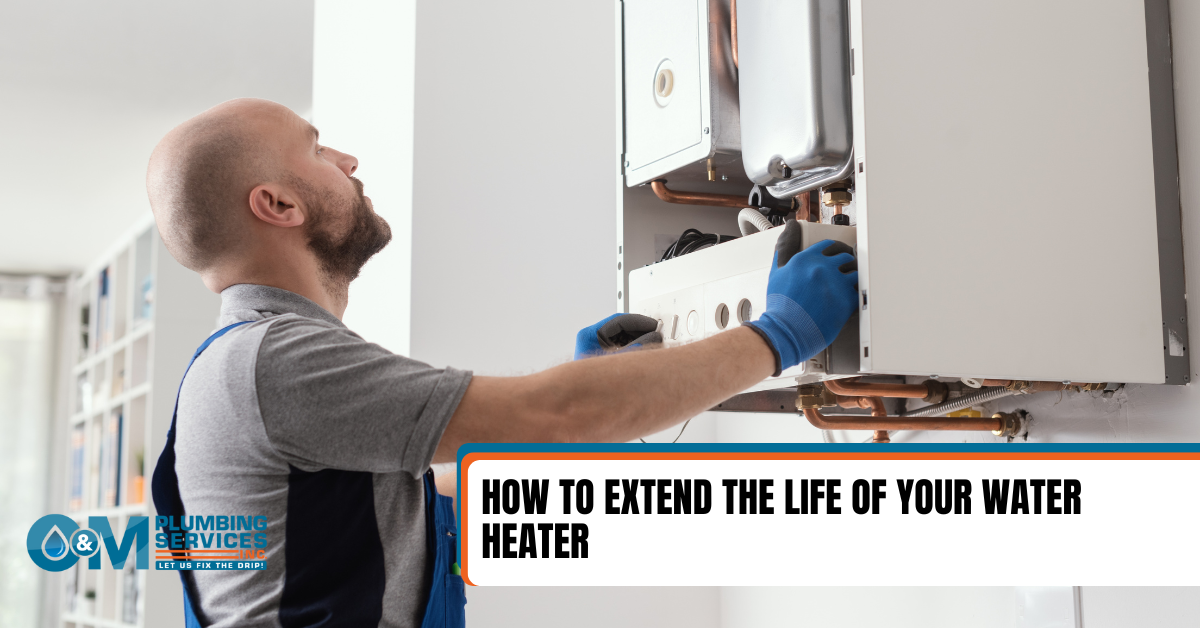
The water heater is among the most important appliances in the house, serving a wide range of needs: hot water for the shower, for washing dishes, and for laundry. Yet, just like any other major appliance, they do need periodic maintenance to ensure that they efficiently perform their job and can serve for more years than their average life span. As a homeowner, the last thing you want is to face an emergency water heater repair, or worse, a complete water heater replacement. Fortunately, with proper care and attention, you can avoid these costly issues and extend the life of your water heater.
In this blog, we will share some critical water heater maintenance tips that will help you in keeping your system running. Regardless of whether your water heater is tankless or tradition-al tank model, the following tips can be helpful in saving repair costs, avoiding emergency service calls, and ensuring reliable hot water throughout the year.
Why Proper Water Heater Maintenance Matters
It works day in and day out to provide your home with hot water. Without due care, it results in problems such as inadequate heating, increasing the cost of electricity bills, or expensive repairs/repotting. A properly maintained water heater not only gives out better performance in terms of efficiency but also lasts longer, resulting in savings in the long run.
This is particularly true if you are a resident of Austin, Texas, because the temperatures fluctuate from hot to cold. Regular maintenance will keep your system ready for those very hot summers and chilly winters.
Key Maintenance Tips to Extend the Life of Your Water Heater
1. Schedule Regular Inspections for the Water Heater
Setting up an annual inspection with a professional can be one of the best ways to ensure your water heater runs smoothly. A water heater inspection service will identify problems before they escalate into major issues, such as leakage or failure to heat water. Professional inspections can spot wear and tear, sediment buildup, and other problems affecting your water heater’s performance.
2. Drain Your Water Heater Every Year
The sediment in the bottom of your water heater tank builds up over time, and with hard water, it will build up much faster. This reduces your system’s overall efficiency, allows it to overheat, and can lead to premature failure. Flushing your water heater every year helps remove this buildup and ensures your water heater runs more efficiently. If you have a tankless water heater, flushing is still required but less often.
3. Set Your Thermostat to the Right Temperature
Many owners of a water heater like to set high temperatures on the thermostat so as to get hot water quicker. However, setting it too high leads to overheating, hence stressing the system and thus increasing the wear and tear. To increase the life of your water heater, set the thermostat to 120°F. This temperature is safe enough for most household uses and lowers the risk of scalding. It helps save on energy costs.
4. Check the Anode Rod
This little thing called the anode rod, used in your water heater, completely saves the inside of a water heater from going into corrosion. Over a period of time, this will deteriorate and just won’t work any longer, and allow your tank to rust out. It is always a good idea to inspect your anode rod every two years or so and replace it if necessary. If you have just discovered that your water heater is leaking or you have a smell of rust in your hot water, then it might be time to check in and replace this anode rod.
5. Keep the Area Surrounding the Water Heater Clean
This may be a simple tip, but by making sure that the area of your water heater is clean and free from dust and other debris, you avoid problems such as those compounds clogging the system. This is much more relevant to gas water heaters. Make sure the area is free of clutter, and never stack items around the heater that could block the air vents or exhaust system.
Common Water Heater Problems and How to Repair Them
Water Heater Not Heating
This is one of the common issues with a water heater: when the system just stops producing hot water. It can be because of a malfunctioning thermostat, heating element, or tripped circuit breaker. If your water heater runs on electricity, then you might want to check if the circuit breaker has been tripped. In the case of a gas water heater, make sure that the pilot light is turned on and the valve for regulating gas works well. In case this does not solve the issue, then it is time to call a professional to do the water heater repair in Austin, TX.
Water Heater Leaking
Leaks are also very common but are also more frequent in older water heaters. A leak in your water heater might be because the valve has been damaged, the connections are loose, or the tank has cracked. Water pooling around your water heater is something that needs your attention and immediate action so that it doesn’t lead to further damage. A professional plumber should be able to assist in repairing the leaks, and if damage has been serious to the tank, he could suggest a new installation of water heater in Austin.
No Hot Water at All
If your hot water is simply not working, the problem can be a faulty thermostat or heating element. Electric water heater repair problems regularly stem from one of these appliances. A quick fix could entail replacing the faulty heating element. Problems with the tank, however, may require you to replace it entirely.
Professional vs. DIY Water Heater Maintenance
While basic maintenance like tank flushing or thermostat adjustments in water heaters can be performed by the owners themselves, not every task requires manual involvement. Inspection services for water heaters, certain leak repairs, and anode rod replacements need the involvement of a licensed plumber to be done correctly. Inexpert repair to a water heater can only cause further damage and may lead to the voiding of the manufacturer’s warranty.
If you ask any professional to come over and perform an Austin tankless water heater repair or a same-day water heater service, the job would be done correctly the first time. Sometimes it is better not to take any risk if you are not sure about any problem and just go ahead and ask for professional help.
Water Heater Maintenance Price & Cost Factors
Water heater maintenance has the potential to save money because it will prevent expensive repairs or replacement. The regular maintenance cost is going to depend on what model of water heater you have, how old it is, and what kind of service you need. Generally, an inexpensive replacement for your water heater will cost more than making small repairs. Sometimes, though, a new unit may be cheaper if it’s been more than a decade since you got yours, or if it always seems to be breaking down.
This means regular inspections, annual flushing of the tank, setting the thermostat to 120°F, keeping the area around the unit clean, and periodically checking the anode rod to extend its life.
FAQs
How often should I replace my water heater?
If your water heater is more than 10 years old or has been giving you too many problems in this period, then replacement may be required. It can be managed with a little maintenance, but ultimately, the life of all water heaters is limited.
How can leaks in the water heater be avoided?
Have your water heater inspected on a regular basis, specifically around the valves and connections, to avoid leaks. Replace the anode rod before it wears out to avoid tank corrosion.
If you’re ready to help your water heater live its best life, then schedule a professional inspection with the best water heater plumber in Austin today. Whether you need water heater repair, installation, or maintenance, we’ve got you covered. Call us today for affordable, reliable service that you can count on!